 By
By The Flipped Classroom Model is a modern teaching approach that reverses the traditional structure of classroom learning. Instead of listening to lectures in class and completing assignments at home, students first engage with instructional materials outside the classroom—usually through videos, readings, or digital content—and then use classroom time for interactive activities, discussions, and problem-solving.
This model encourages active learning, allowing teachers to guide students through deeper exploration of topics rather than simply delivering lectures. As education increasingly integrates technology, the flipped classroom has become a widely adopted strategy in schools, universities, and professional training programs.
What Is the Flipped Classroom Model?
The flipped classroom is an instructional strategy where the traditional learning sequence is reversed.
In a conventional classroom:
- Teachers deliver lectures during class time
- Students complete homework afterward
In a flipped classroom:
- Students review lesson materials before class
- Class time is used for practical activities and collaborative learning
This shift allows students to learn foundational concepts independently and then apply them with guidance from their teacher.
How the Flipped Classroom Works
The flipped classroom model typically follows a structured learning cycle.
1. Pre-Class Learning
Students first access learning materials before attending class. These materials often include:
- Recorded video lectures
- Reading assignments
- Educational podcasts
- Interactive digital modules
The goal is to introduce the core concepts and background knowledge needed for deeper classroom engagement.
2. In-Class Activities
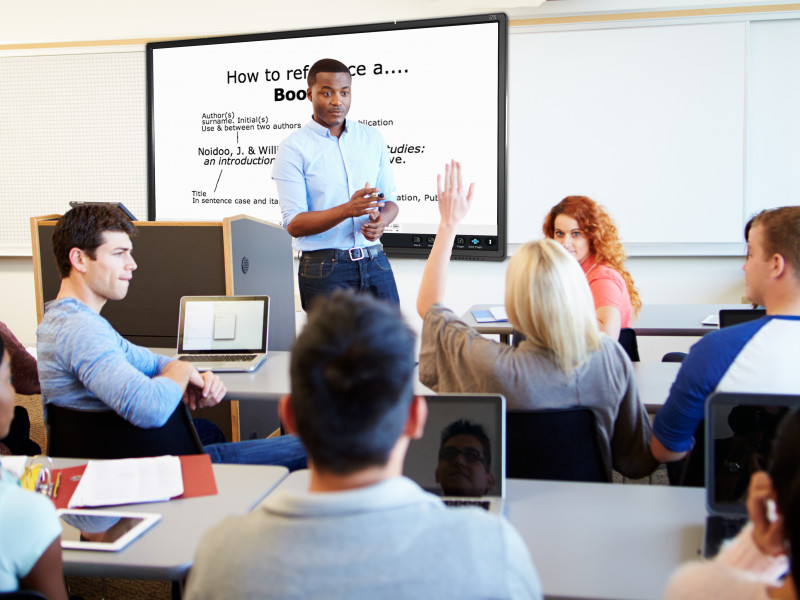
Once students come to class, the focus shifts from lectures to active learning.
Common classroom activities include:
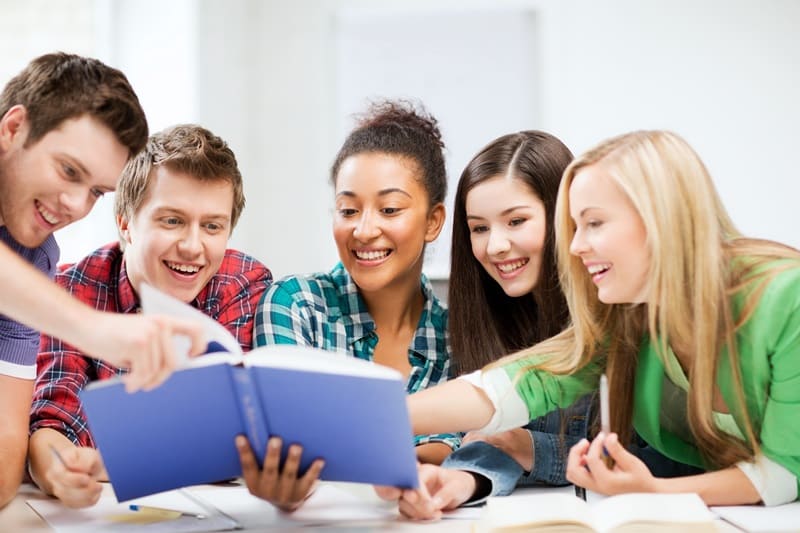
- Group discussions
- Problem-solving exercises
- Case studies
- Project-based learning
- Teacher-guided practice
Teachers act as facilitators, helping students understand complex concepts and addressing questions in real time.
3. Post-Class Reinforcement
After class, students may complete additional tasks to reinforce learning, such as:
- Reflection assignments
- Quizzes
- Extended projects
- Peer collaboration
This stage helps ensure that knowledge is fully absorbed and applied.
Key Features of the Flipped Classroom
Several characteristics distinguish the flipped classroom from traditional teaching methods.
Student-Centered Learning
Students take an active role in their learning process rather than passively receiving information.
Flexible Learning Pace
Because lectures are often recorded, students can pause, rewind, or rewatch content according to their needs.
Collaborative Classroom Environment
Class time focuses on teamwork, discussions, and practical exercises.
Greater Teacher Support
Teachers can provide personalized guidance while students work through tasks.
Benefits of the Flipped Classroom Model
The flipped classroom approach offers several advantages for both students and educators.
1. Increased Student Engagement
Interactive activities during class make learning more engaging compared to long lectures.
2. Improved Understanding of Concepts
Students apply knowledge through discussions and exercises, which strengthens comprehension.
3. Personalized Learning
Students learn basic content at their own pace and receive individual assistance during class.
4. Better Use of Classroom Time
Instead of spending valuable class time on lectures, teachers can focus on higher-level thinking skills such as analysis and problem-solving.
5. Encourages Independent Learning
Students develop skills like self-discipline, responsibility, and time management.
Challenges of the Flipped Classroom
While the model offers many advantages, it also presents certain challenges.
Access to Technology
Students must have reliable internet access and devices to review pre-class materials.
Preparation Time for Teachers
Creating high-quality instructional videos and materials requires significant effort.
Student Accountability
The model relies on students completing pre-class work; without preparation, classroom activities may become ineffective.
Adjustment Period
Both teachers and students may need time to adapt to the new learning structure.
Tips for Successfully Implementing a Flipped Classroom
Educators who want to adopt this model can follow several best practices.
Start Small
Begin with flipping a single lesson or topic before redesigning the entire course.
Create Clear and Concise Videos
Short videos (5–10 minutes) tend to hold student attention better than longer lectures.
Use Interactive Classroom Activities
Design activities that encourage participation and critical thinking.
Monitor Student Preparation
Use quick quizzes or reflections to ensure students engage with pre-class materials.
Provide Support and Feedback
Teachers should actively guide students during in-class activities and clarify misunderstandings.
Technologies Commonly Used in Flipped Classrooms
Modern flipped classrooms often rely on digital tools and platforms.
Examples include:
- Learning management systems (LMS) for sharing materials
- Video platforms for recorded lectures
- Online quizzes and assessment tools
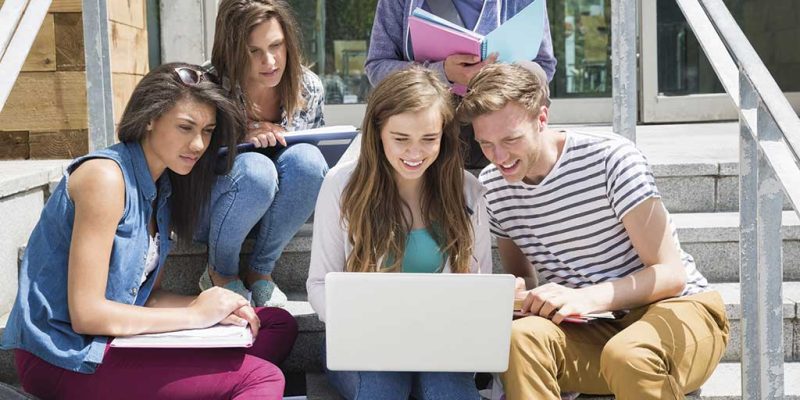
- Collaboration tools for group work and discussions
These technologies make it easier to distribute learning content and track student progress.
The Future of the Flipped Classroom
As digital education continues to evolve, the flipped classroom model is becoming more influential in modern teaching strategies. Many educators now combine it with other approaches such as blended learning, hybrid classrooms, and project-based learning.
With increasing access to online resources and educational technologies, flipped learning has the potential to transform traditional classrooms into more interactive and student-driven environments.
Frequently Asked Questions (FAQs)
1. What is the main goal of the flipped classroom model?
The primary goal is to move passive learning outside the classroom and use class time for active learning, collaboration, and deeper understanding.
2. Is the flipped classroom suitable for all subjects?
Yes, the model can be applied to many subjects, including mathematics, science, humanities, and professional training, though implementation methods may vary.
3. Do students watch lectures at home in a flipped classroom?
In many cases, yes. Students typically review video lectures or reading materials before attending class.
4. How long should flipped classroom videos be?
Short videos—usually 5 to 10 minutes—are recommended to maintain student attention and improve retention.
5. What role does the teacher play in a flipped classroom?
Teachers act as facilitators and mentors, guiding discussions, answering questions, and helping students apply knowledge during class activities.
6. Can flipped classrooms work without technology?
While technology makes the model easier to implement, it can also work with printed materials or recorded offline content.
7. How can teachers ensure students complete pre-class work?
Teachers often use short quizzes, reflections, or discussion prompts to check whether students have reviewed the material before class.