 By
By Modern homes are rapidly evolving with the integration of smart technology. From improving security to automating daily routines, smart devices make homes more efficient, convenient, and energy-efficient. With the right devices, homeowners can control lighting, temperature, entertainment systems, and even appliances using a smartphone or voice commands.
In this guide, we explore some of the best smart devices for modern homes, highlighting their key features and benefits.
Smart Speakers and Voice Assistants
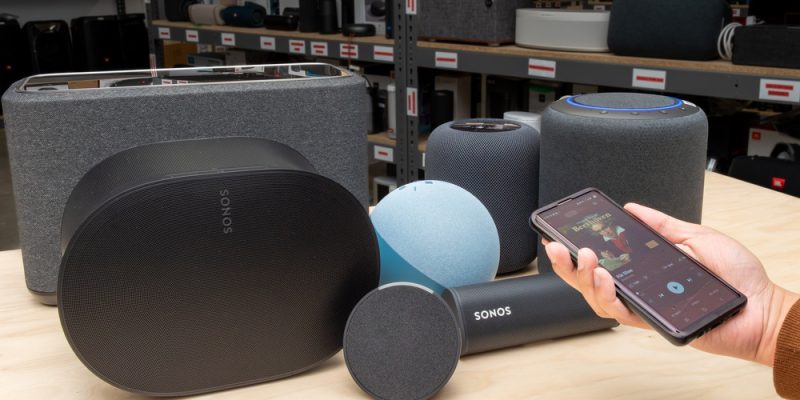
Smart speakers are often the central hub of a smart home ecosystem. These devices allow users to control compatible smart devices, play music, answer questions, and manage daily schedules using voice commands.
Popular options include:
- Amazon Echo devices with Alexa voice assistant
- Google Nest speakers powered by Google Assistant
- Apple HomePod integrated with Siri
Key benefits include:
- Hands-free control of smart home devices
- Voice-activated reminders, alarms, and timers
- Smart home automation routines
- Integration with thousands of third-party devices
For many households, a smart speaker acts as the command center for the entire smart home.
Smart Lighting Systems
Smart lighting systems allow homeowners to control brightness, color, and schedules through apps or voice commands. These systems enhance convenience while also helping reduce electricity consumption.
Common features include:
- Remote lighting control via smartphone
- Adjustable brightness and color temperature
- Scheduled lighting routines
- Motion detection integration
Advantages of smart lighting:
- Energy efficiency through automated schedules
- Mood lighting customization for different rooms
- Improved home security by simulating occupancy when away
Smart lighting is one of the easiest and most affordable ways to start building a smart home.
Smart Thermostats
Smart thermostats help homeowners manage heating and cooling systems more efficiently. These devices learn usage patterns and automatically adjust temperature settings to optimize comfort and reduce energy costs.
Key features:
- Automatic temperature learning
- Remote control through mobile apps
- Energy usage reports
- Integration with other smart home systems
Benefits include:
- Lower energy bills through efficient climate control
- Comfort optimization based on daily routines
- Remote temperature management when traveling
A smart thermostat can significantly improve both comfort and sustainability in modern homes.
Smart Security Cameras
Security is a major priority for modern households, and smart cameras offer advanced monitoring capabilities. These devices allow homeowners to view live footage and receive alerts directly on their smartphones.
Important features include:
- Motion detection alerts
- Night vision capabilities
- Cloud video storage
- Two-way audio communication
Advantages of smart security cameras:
- Real-time home monitoring
- Improved burglary prevention
- Remote access from anywhere
Smart cameras can be placed indoors or outdoors to create a comprehensive security system.
Smart Door Locks
Smart door locks eliminate the need for traditional keys by allowing homeowners to unlock doors using smartphones, keypads, or biometric authentication.
Key capabilities include:
- Remote locking and unlocking
- Temporary access codes for guests
- Activity tracking and entry logs
- Integration with security systems
Benefits:
- Improved home security
- Convenient keyless access
- Remote access control for visitors
These locks are ideal for families, rental properties, and homeowners who want greater control over home entry.
Smart Plugs
Smart plugs transform traditional appliances into smart devices by allowing users to control them remotely through mobile apps or voice assistants.
Common uses include:
- Turning lamps on or off remotely
- Automating coffee makers or fans
- Monitoring energy usage
- Scheduling appliance operation
Advantages:
- Low-cost entry into smart home automation
- Easy installation without professional setup
- Increased energy efficiency
Smart plugs are particularly useful for households wanting basic automation without replacing existing appliances.
Smart Robot Vacuums
Robot vacuums automate one of the most common household chores: cleaning floors. These devices navigate through rooms, detect obstacles, and clean surfaces automatically.
Typical features include:
- Automated room mapping
- Scheduled cleaning routines
- App-based control and monitoring
- Self-charging docking stations
Benefits:
- Time-saving automated cleaning
- Consistent floor maintenance
- Hands-free operation
For busy households, robot vacuums provide a practical and convenient cleaning solution.
Conclusion
Smart home devices are transforming how people interact with their living spaces. From intelligent lighting and security systems to automated cleaning and climate control, these technologies offer greater comfort, safety, and efficiency.
When selecting smart devices, homeowners should consider compatibility, security features, and long-term scalability. By starting with a few essential devices and gradually expanding the ecosystem, anyone can build a fully connected modern home.
Frequently Asked Questions (FAQs)
1. What is the most important smart device for a modern home?
Many homeowners begin with smart speakers or smart lighting, as they provide easy control and integrate with many other smart devices.
2. Are smart home devices difficult to install?
Most smart devices are designed for simple setup through mobile apps and do not require professional installation.
3. Do smart home devices save energy?
Yes. Devices like smart thermostats and smart lighting systems help reduce energy consumption by optimizing usage and scheduling.
4. Can smart home devices work without the internet?
Some features may still work locally, but full functionality typically requires an internet connection for remote control and updates.
5. Are smart home devices secure?
Most modern devices include encryption and security updates, but users should also use strong passwords and update firmware regularly.
6. Can different smart devices work together?
Yes. Many devices support common ecosystems like Alexa, Google Assistant, or Apple Home, allowing them to work together seamlessly.
7. How expensive is it to build a smart home?
Costs vary widely. You can start with affordable devices like smart plugs or bulbs, then gradually add more advanced technology as needed.