
 By
By Traveling becomes far more enjoyable when your luggage is organized, efficient, and easy to manage. Overpacking or packing poorly can create unnecessary stress during a trip. Smart packing allows travelers to carry only what they truly need while keeping their belongings accessible and protected.
Whether you’re preparing for a weekend getaway, a business trip, or an international adventure, mastering a few simple packing techniques can dramatically improve your travel experience.
Why Smart Packing Matters
Efficient packing helps you avoid heavy luggage, excess baggage fees, and time wasted searching through cluttered bags. When items are thoughtfully arranged, you move through airports, train stations, and hotels with greater ease.
Smart packing also ensures:
- Better luggage organization
- Faster security checks
- Reduced stress during travel
- More space for souvenirs
- Protection for fragile items
Ultimately, good packing habits make travel smoother and more enjoyable.
Start With a Packing Plan
Before placing anything in your suitcase, create a quick packing plan. This step prevents unnecessary items from making their way into your bag.
Consider the following factors:
- Destination climate
- Trip duration
- Planned activities
- Local dress culture
- Laundry availability
A simple checklist keeps packing focused and efficient. It also reduces the risk of forgetting important items like chargers, travel documents, or medication.
Choose the Right Luggage
The type of luggage you use can significantly influence how well you pack.
Popular luggage options include:
- Carry-on suitcases for short trips
- Travel backpacks for mobility and adventure travel
- Checked luggage for longer journeys
- Duffel bags for flexible storage
Look for luggage with multiple compartments, compression straps, and durable materials. These features help keep items secure and organized.
Use Packing Cubes for Organization
Packing cubes are one of the simplest ways to maintain order inside a suitcase. These small zippered containers divide clothing into neat sections.
Benefits include:
- Easier outfit organization
- Faster unpacking at hotels
- Less wrinkled clothing
- Better visibility of packed items
For example, you might dedicate one cube to shirts, another to undergarments, and a third to workout or sleepwear.
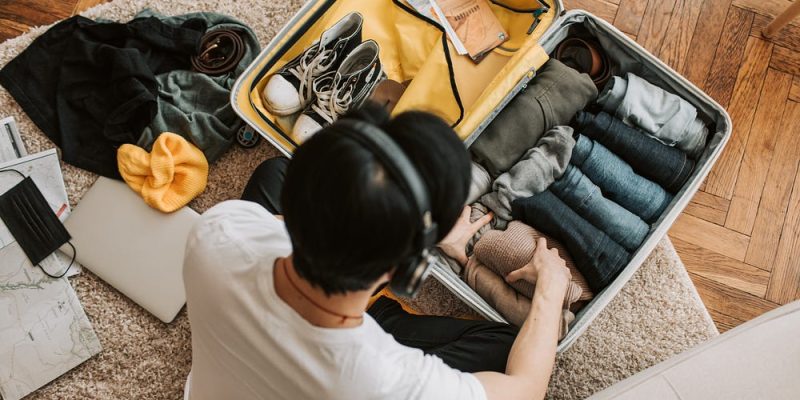
Roll Clothes Instead of Folding
Rolling clothes instead of folding them is a widely used travel technique.
Advantages of rolling clothes:
- Saves space
- Reduces wrinkles
- Improves visibility inside the suitcase
Items like t-shirts, jeans, leggings, and casual dresses roll particularly well. For structured garments such as blazers, folding may still work better.
Pack Versatile Clothing
Travel wardrobes should focus on multi-purpose items that can be worn in different situations.
Consider packing:
- Neutral colored clothing that mixes easily
- Layers such as light jackets or cardigans
- Comfortable walking shoes
- Clothing suitable for both casual and semi-formal settings
For example, a simple black outfit can work for sightseeing during the day and dining out at night with minimal adjustments.
Limit Shoes and Bulky Items
Shoes take up significant space in luggage, so limiting them can dramatically reduce bag size.
A common strategy is packing:
- One pair of comfortable walking shoes
- One pair of versatile casual or dress shoes
- Optional sandals or flip-flops
To maximize space, place smaller items like socks or chargers inside shoes.
Use Travel-Size Toiletries
Full-sized toiletries quickly consume valuable luggage space. Instead, use travel-sized containers or refillable bottles.
Important toiletries to pack include:
- Toothbrush and toothpaste
- Shampoo and conditioner
- Skincare products
- Deodorant
- Travel-sized laundry detergent
Placing toiletries in a waterproof pouch protects clothing from leaks.
Keep Essentials in Your Carry-On
Certain items should always stay with you rather than in checked luggage.
Essential carry-on items:
- Passport and travel documents
- Phone charger and power bank
- Medications
- Wallet and identification
- Change of clothes
- Basic toiletries
If checked luggage is delayed or lost, these essentials ensure you remain comfortable until your bag arrives.
Protect Fragile Items
Fragile items such as electronics, souvenirs, or glass containers require extra care.
Helpful protection tips include:
- Wrap items in soft clothing
- Use padded compartments
- Place fragile objects in the center of the suitcase
- Avoid placing delicate items near suitcase edges
These methods reduce the chance of damage during baggage handling.
Leave Room for Souvenirs
Many travelers forget to plan for items they may purchase during their trip.
To avoid overstuffed luggage on the return journey:
- Pack a foldable tote bag
- Leave 10–20% of suitcase space empty
- Use compression bags if necessary
This extra space allows you to bring back gifts and souvenirs without needing an additional bag.
Do a Final Packing Check
Before closing your luggage, perform a quick final review.
Ask yourself:
- Do I truly need this item?
- Can this be replaced at the destination if necessary?
- Does it serve more than one purpose?
Removing just a few unnecessary items can make your luggage significantly lighter and easier to manage.
Conclusion
Smart packing is not about bringing more—it’s about bringing exactly what you need in the most efficient way possible. With thoughtful planning, versatile clothing, and smart organization tools like packing cubes, travelers can minimize luggage stress and maximize convenience.
By applying these practical packing strategies, every journey becomes smoother, lighter, and far more enjoyable.
Frequently Asked Questions (FAQs)
1. What is the best way to avoid overpacking?
Start with a packing list and focus on versatile clothing pieces that can be worn multiple times or combined into different outfits.
2. Are packing cubes really worth using?
Yes. Packing cubes help organize clothing, save time during unpacking, and make it easier to locate items in your suitcase.
3. How many outfits should I pack for a week-long trip?
Most travelers find that 4–5 interchangeable outfits work well for a week, especially if laundry facilities are available.
4. What items should never go in checked luggage?
Important documents, medications, electronics, valuables, and essential toiletries should always stay in your carry-on bag.
5. How can I keep clothes from wrinkling while traveling?
Rolling clothes, using packing cubes, and placing tissue paper between delicate garments can help reduce wrinkles.
6. What is the ideal luggage size for short trips?
A carry-on suitcase (about 20–22 inches) is usually sufficient for trips lasting three to five days.
7. How do frequent travelers pack more efficiently?
Experienced travelers focus on minimalism, pack multi-purpose items, reuse clothing when possible, and rely on proven packing systems like cubes or compression bags.