 By
By Electric vehicles (EVs) have rapidly moved from niche technology to a major part of the global automotive market. Governments, manufacturers, and consumers are increasingly embracing EVs as a cleaner alternative to traditional gasoline-powered cars. With advancements in battery technology and expanding charging infrastructure, electric vehicles are becoming more accessible than ever.
However, like any emerging technology, EVs come with both advantages and limitations. Understanding the pros and cons of electric vehicles can help consumers make informed decisions before switching from conventional vehicles.
What Are Electric Vehicles?
Electric vehicles are automobiles powered by electric motors instead of internal combustion engines. They rely on rechargeable batteries to store electricity, which powers the motor and moves the vehicle.
The main types of electric vehicles include:
- Battery Electric Vehicles (BEVs): Fully electric cars powered only by batteries.
- Plug-in Hybrid Electric Vehicles (PHEVs): Combine electric motors with gasoline engines.
- Hybrid Electric Vehicles (HEVs): Use both electric motors and internal combustion engines but cannot be plugged in.
These vehicles are designed to reduce reliance on fossil fuels while lowering greenhouse gas emissions.
Advantages of Electric Vehicles
1. Environmentally Friendly
One of the most significant benefits of EVs is their reduced environmental impact.
- They produce zero tailpipe emissions
- Reduce air pollution in urban areas
- Help lower greenhouse gas emissions when powered by renewable energy
This makes EVs a key component in global efforts to combat climate change.
2. Lower Operating Costs
Electric vehicles generally cost less to operate than traditional cars.
Key savings include:
- Electricity is cheaper than gasoline in most regions
- Fewer moving parts reduce repair needs
- No oil changes required
- Lower maintenance expenses
Over time, these savings can offset the higher initial purchase price.
3. Quiet and Smooth Driving Experience
EVs provide a noticeably quieter ride compared to internal combustion engine vehicles.
Benefits include:
- Minimal engine noise
- Smooth acceleration
- Reduced vibration
- Comfortable city driving
Many drivers find the instant torque of electric motors makes EVs enjoyable to drive.
4. Government Incentives
Many countries encourage EV adoption through financial incentives and policy benefits, such as:
- Tax credits or rebates
- Reduced registration fees
- Access to carpool lanes
- Free or discounted parking
These incentives make EV ownership more affordable.
5. Energy Independence
Electric vehicles reduce dependence on imported oil by using electricity as fuel. This allows countries to rely more on locally generated energy sources, including renewable energy like solar and wind.
Disadvantages of Electric Vehicles
Despite their benefits, electric vehicles also present several challenges that buyers should consider.
1. Higher Initial Purchase Price
EVs often have higher upfront costs than gasoline-powered cars due to expensive battery technology.
Although prices are gradually decreasing, the initial investment can still be a barrier for many consumers.
2. Limited Driving Range
While battery technology continues to improve, some electric vehicles still offer shorter driving ranges compared to conventional vehicles.
Challenges include:
- Range anxiety for long-distance travel
- Need to plan charging stops
- Reduced range in extreme temperatures
However, many modern EVs now exceed 300–500 km per charge, reducing this concern.
3. Charging Infrastructure Limitations
Although charging networks are expanding, availability remains uneven.
Common issues include:
- Limited public charging stations in rural areas
- Long waiting times at busy stations
- Compatibility differences between charging networks
Infrastructure development is crucial for widespread EV adoption.
4. Charging Time
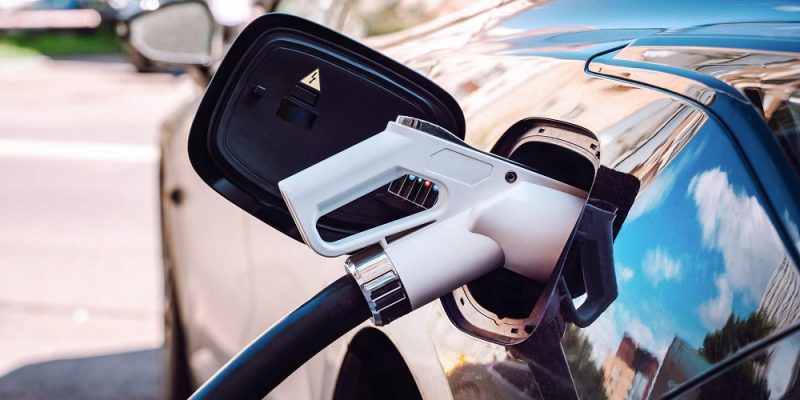
Refueling a gasoline car takes only a few minutes, but charging an EV can take 30 minutes to several hours, depending on the charger type.
Typical charging times:
- Fast charger: 20–40 minutes
- Home charger: 6–12 hours
- Standard outlet: Up to 24 hours
For drivers who travel long distances frequently, this can be inconvenient.
5. Battery Replacement Costs
EV batteries degrade over time and may eventually need replacement.
Potential concerns include:
- High replacement cost
- Battery recycling challenges
- Performance reduction over time
However, most manufacturers provide 8–10 year battery warranties, reducing financial risk for early owners.
Future Outlook for Electric Vehicles
The future of electric vehicles looks promising as technology continues to evolve.
Several trends are shaping the EV market:
- Improved battery efficiency and range
- Faster charging technologies
- Expansion of charging infrastructure
- Lower battery manufacturing costs
- Stronger government policies promoting EV adoption
With these developments, EVs are expected to play a central role in the future of sustainable transportation.
Conclusion
Electric vehicles offer significant environmental and economic benefits, making them an attractive option for many drivers. Their ability to reduce emissions, lower operating costs, and deliver a quiet driving experience has accelerated their global popularity.
However, challenges such as higher upfront costs, limited charging infrastructure, and longer refueling times still affect widespread adoption. As battery technology improves and charging networks expand, many of these limitations are expected to diminish.
For consumers considering the switch, weighing the pros and cons of electric vehicles can help determine whether an EV fits their lifestyle, budget, and driving needs.
Frequently Asked Questions (FAQs)
1. Are electric vehicles really better for the environment?
Yes. Electric vehicles produce zero tailpipe emissions, which significantly reduces air pollution. Their environmental benefits increase when powered by renewable energy sources.
2. How long do electric vehicle batteries last?
Most EV batteries last 8 to 15 years depending on usage, climate, and charging habits. Many manufacturers provide long warranties covering battery performance.
3. Is it cheaper to charge an EV than to buy gasoline?
In most cases, yes. Charging an EV typically costs much less per kilometer compared to fueling a gasoline vehicle.
4. Can electric vehicles be charged at home?
Yes. Most EV owners install home charging stations, allowing them to charge their vehicles overnight conveniently.
5. Do electric vehicles require less maintenance?
Electric vehicles generally require less maintenance because they have fewer mechanical parts and do not need oil changes or complex engine repairs.
6. Are electric vehicles suitable for long road trips?
Modern EVs with long ranges can handle road trips, but drivers may need to plan charging stops carefully depending on available infrastructure.
7. What happens to EV batteries after they wear out?
Old EV batteries can be recycled or reused for energy storage systems, helping reduce environmental waste and extend battery life cycles.